Listado de la etiqueta: staffing

Automation with Cobots: Which Robotic Arm Brands are Most Used in the USA?

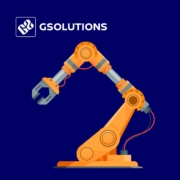
The rise of collaborative robots (cobots) represents a paradigm shift in industrial automation. Unlike traditional industrial robots locked away in cages, cobots are designed to work alongside humans, offering flexibility, lower setup cost and faster ROI. At Gsolutions, we help manufacturing clients leverage cobots as a strategic automation tool. But with many brands in the marketplace, which robotic arm manufacturers stand out in the U.S.?

What are cobots and why they matter

Cobots (collaborative robots) are defined by their ability to operate safely alongside human workers, often equipped with integrated sensors, flexible programming and modular design. Their adoption is accelerating due to labour shortages, demand for flexible production and the impetus of Industry 4.0. MarketsandMarkets+1 For companies scaling automation, cobots offer:

  • reduced barrier to entry compared with large industrial robots,

  • easier redeployment across tasks,

  • faster programming and commissioning.

Leading cobot brands in the U.S.

Several brands dominate the market due to their product maturity, distribution network and service infrastructure:

  • Universal Robots (UR): A pioneer in cobots, UR is frequently cited as the market leader. Their “plug-and-play” ecosystem (UR+), extensive partner network and user-friendly interface make them a top choice. MarketsandMarkets+1

  • FANUC: Known for high-precision industrial automation, FANUC also offers collaborative models (such as the CRX series) that bring heavy payload capacities and integrate into broader automation systems. fanucamerica+1

  • ABB: With strong global presence and proven robotics pedigree, ABB’s cobot series (such as GoFa and SWIFTI) are increasingly adopted in U.S. manufacturing. qviro.com+1

  • Other notable brands: KUKA, Yaskawa, Techman Robot each contribute to the ecosystem with niche capabilities. Market.us Scoop+1

Key criteria for selecting a cobot brand

When clients ask Gsolutions for guidance, we evaluate based on:

  • Payload and reach (does the task require 6 kg light work or 25 kg heavy lifting?)

  • Programming simplicity and integration ecosystem (those with intuitive interfaces and strong partner networks reduce time to value)

  • Support network in the U.S. (local service, spare parts, training)

  • Scalability and redeployment potential (cobots that can move between cells/tasks provide better ROI)

  • Safety and compliance (especially when humans and robots share space).

The role of cobots in future-proof automation

As manufacturing evolves—driven by reshoring, customisation and workforce dynamics—cobots will be central. Their flexibility, lower deployment cost and human-robot collaboration capacity align with future operational models. At Gsolutions, our vision is to help clients not just deploy cobots, but embed them into adaptive automation strategies—where robots become enablers of change rather than fixed assets.

By selecting the right brand, integrating with culture, and aligning with business objectives, firms can unlock productivity gains, labour cost reduction and operational flexibility.
The Strategic Advantages of Staffing in Today’s Business Environment

In today’s industrial environments, operational continuity is a key factor for profitability. An unexpected shutdown doesn’t just mean lost time—it means lost productivity, wasted materials, and, in many cases, reduced customer trust. In this context, technical staffing has become a crucial solution for keeping production lines running and ensuring consistent output.

Skilled Technicians: The Core of Operational Continuity

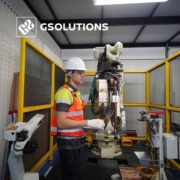
Specialized technical teams — mechanical, electrical, electronic, and maintenance professionals — form the direct link between machinery and productivity. Their expertise in diagnosing, repairing, and fine-tuning industrial equipment allows them to act quickly and accurately, minimizing downtime and preventing minor issues from escalating into major disruptions.

Having qualified technicians available on-site ensures that the plant maintains its operational pace, even during high-demand periods or unforeseen contingencies.

Immediate Response and Failure Prevention

Technical staffing goes beyond providing reactive support — its true value lies in prevention. On-site technicians can perform regular inspections, preventive adjustments, and safety checks that help avoid unplanned shutdowns.

By understanding the history and behavior of each machine, technicians can detect early signs of wear or imbalance, schedule maintenance without disrupting production, and optimize energy performance. This proactive approach increases equipment reliability and production stability.

Flexibility and Specialization

Modern industry requires adaptable, highly skilled personnel. A technical staffing model provides flexibility to adjust both the number and specialization of technicians according to the specific needs of each project or production phase.

This scalability helps reduce fixed costs while ensuring that every line is supported by the most qualified professionals for its machinery and processes. Specialized expertise also minimizes human error and ensures consistent product quality.

A Model for Long-Term Efficiency

Integrating technical staffing into the production structure is not just a temporary solution—it’s a long-term efficiency strategy. Coordinated and well-trained technical teams enable planned maintenance, reduce unplanned stoppages, and sustain a continuous production flow.

When technical knowledge and operational availability work together, plants achieve an optimal balance between productivity, safety, and performance.

How Technical Staffing Reduces Production Downtime

In today’s industrial environments, operational continuity is a key factor for profitability. An unexpected shutdown doesn’t just mean lost time—it means lost productivity, wasted materials, and, in many cases, reduced customer trust. In this context, technical staffing has become a crucial solution for keeping production lines running and ensuring consistent output.

Skilled Technicians: The Core of Operational Continuity

Specialized technical teams — mechanical, electrical, electronic, and maintenance professionals — form the direct link between machinery and productivity. Their expertise in diagnosing, repairing, and fine-tuning industrial equipment allows them to act quickly and accurately, minimizing downtime and preventing minor issues from escalating into major disruptions.

Having qualified technicians available on-site ensures that the plant maintains its operational pace, even during high-demand periods or unforeseen contingencies.

Immediate Response and Failure Prevention

Technical staffing goes beyond providing reactive support — its true value lies in prevention. On-site technicians can perform regular inspections, preventive adjustments, and safety checks that help avoid unplanned shutdowns.

By understanding the history and behavior of each machine, technicians can detect early signs of wear or imbalance, schedule maintenance without disrupting production, and optimize energy performance. This proactive approach increases equipment reliability and production stability.

Flexibility and Specialization

Modern industry requires adaptable, highly skilled personnel. A technical staffing model provides flexibility to adjust both the number and specialization of technicians according to the specific needs of each project or production phase.

This scalability helps reduce fixed costs while ensuring that every line is supported by the most qualified professionals for its machinery and processes. Specialized expertise also minimizes human error and ensures consistent product quality.

A Model for Long-Term Efficiency

Integrating technical staffing into the production structure is not just a temporary solution—it’s a long-term efficiency strategy. Coordinated and well-trained technical teams enable planned maintenance, reduce unplanned stoppages, and sustain a continuous production flow.

When technical knowledge and operational availability work together, plants achieve an optimal balance between productivity, safety, and performance.

5 Key Points on Fostering Safety Culture and Total Worker Health

Reference: Adapted from “A top-down approach” by Pam Walaski, Rachel Stull, and Matthew R. Pierce, EC&M Magazine.

  1. Leadership Drives Culture
    Workplace safety starts at the top. Leaders set the tone for job site culture, and addressing toxic environments requires active commitment from management. Systems and policies must support safe practices, as even highly skilled individuals are limited by poor organizational structures.

  2. Collaborative Learning from Incidents
    Instead of focusing on blame, organizations should implement “learning teams” or reviews that gather insights from those directly involved in incidents. This approach helps understand risks, identify improvements, and enhance safety procedures without fostering fear of reporting mistakes.

  3. Integrating Health and Safety
    Worker well-being goes beyond PPE and compliance. Addressing physical, mental, and chronic health concerns alongside traditional safety measures improves overall workforce resilience. Policies supporting sick leave, pain management, and health programs contribute to safer, more productive teams.

  4. Building Strong Site Cultures
    Safety begins within each organization and extends to every job site. Training, communication, teamwork, and accountability create a foundation for consistent safe practices. Recognizing staff efforts and setting achievable safety goals encourages adoption of best practices, even in challenging environments.

  5. Fostering Purpose and Engagement
    A safe and healthy workplace also depends on meaningful work and employee support. Fair compensation, access to resources, and a sense of value promote engagement and reduce stress, ultimately supporting both safety and overall worker health.

The Value of a Trusted Staffing Partner in the Ceramic Industry

In today’s competitive industrial landscape, having the right team in place is essential for meeting production goals and maintaining quality standards. For companies operating in the ceramic industry—a sector where precision, durability, and consistency are non-negotiable—workforce management is a key component of success. That’s where Gsolutions comes in.

We specialize in providing skilled and reliable staff for production lines in the ceramic industry. Whether you need short-term support for a specific project or long-term personnel for permanent roles, Gsolutions is your strategic partner in workforce optimization.

Why Partnering with a Staffing Provider Matters

For many ceramic manufacturers, workforce continuity is a challenge. Workers may leave due to personal reasons, fail to meet performance expectations, or simply not be the right fit for the company culture. These gaps can slow down production and increase operational costs.

By working with a staffing provider like Gsolutions, your business gains agility. You no longer need to worry about the consequences of sudden vacancies. We offer flexible staffing solutions designed to adapt to your business needs—ensuring that your production line continues to run efficiently, no matter what.

What Sets Gsolutions Apart

At Gsolutions, we understand that it’s not just about filling a position—it’s about finding the right people for the job. Our team is dedicated to identifying, recruiting, and managing qualified staff who understand the nuances of the ceramic manufacturing process.

Here’s what we offer:

  • Trained Personnel: We provide staff with experience in ceramic production tasks, from raw material handling to kiln operations and finishing.

  • Project-Based or Permanent Support: Whether you’re launching a new product line or expanding your operation, we have the staffing capacity to meet your timeline and workload.

  • Performance Assurance: If a staff member does not meet expectations or decides to leave the role, we will promptly provide a qualified replacement, minimizing any disruption.

  • Hour Management: We handle all aspects of time tracking and labor hours, ensuring transparency and accountability throughout the engagement.

Our Core Values

The foundation of our success lies in our values. At Gsolutions, we are guided by four key principles:

  • Responsibility: We take full ownership of the staffing process. From recruitment to follow-up, we ensure our clients receive dependable, professional service.

  • Trust: Building trust with our clients and staff is essential. We deliver on our promises, maintain open communication, and operate with integrity in every interaction.

  • Service: Our clients deserve the highest level of attention. We are responsive, proactive, and always ready to go the extra mile to ensure satisfaction.

  • Quality: We set high standards for the personnel we provide. Our team is committed to continuous improvement and maintaining the highest levels of excellence in our staffing solutions.

A Smarter Way to Staff Your Production Line

In the fast-paced world of ceramic manufacturing, delays and errors can be costly. Choosing a staffing partner like Gsolutions allows your company to stay focused on production goals while we take care of recruitment, workforce management, and staff development.

Our clients trust us because we not only understand their industry—we become part of their team. With Gsolutions, you’re not just getting a staffing provider; you’re gaining a committed ally who understands your challenges and is ready to help you succeed.