
Why Smart Factories Still Need Skilled Human Talent on the Floor
Why Smart Factories Still Need Skilled Human Talent on the Floor
Automation is advancing fast. Robotic cells, connected sensors, and AI-assisted quality control are becoming standard fixtures in modern manufacturing plants. But across the ceramic, automotive, and industrial sectors, one reality has not changed: skilled human talent in smart factories remains the deciding factor between a line that runs and a line that doesn’t.
Automation Creates New Roles — It Doesn’t Eliminate the Need for People
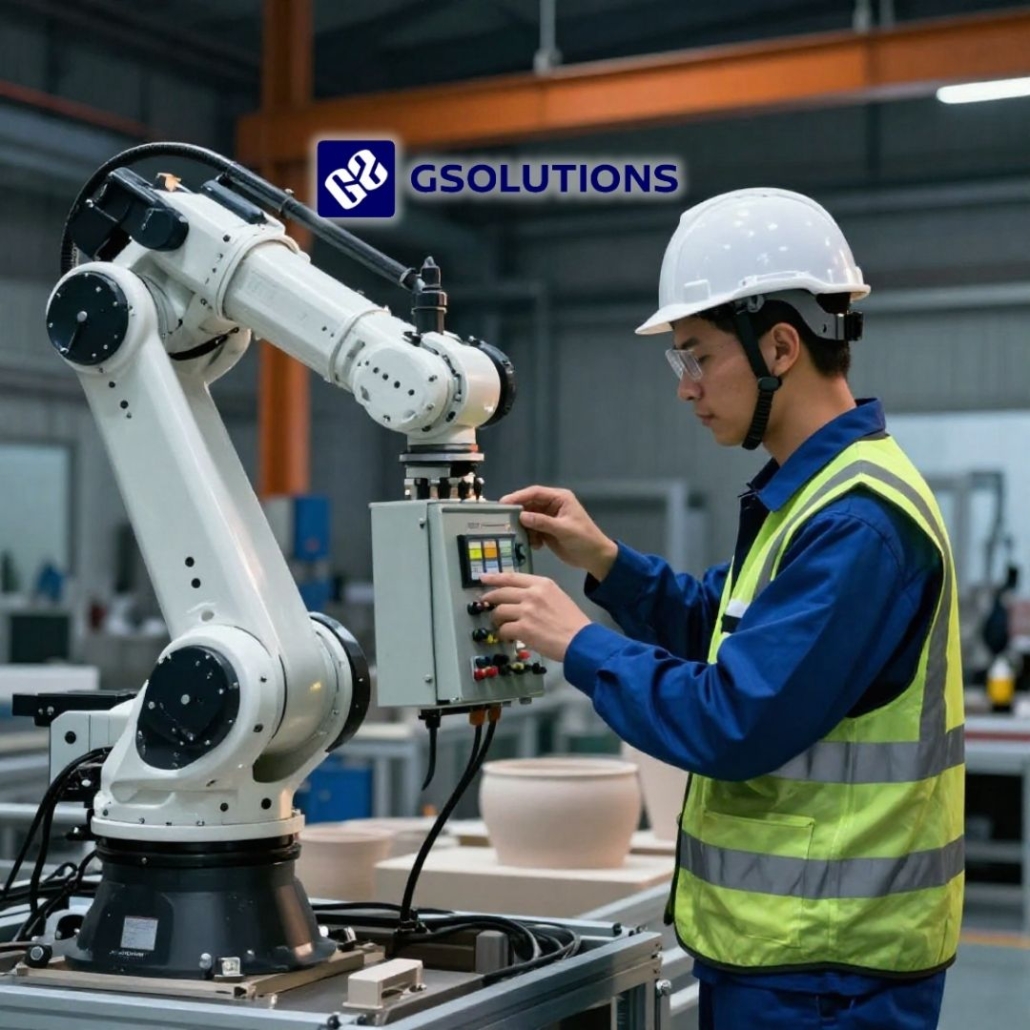
The factories that have invested most heavily in automation are not operating with fewer people. They are operating with different people — technicians who understand how to work alongside automated systems, diagnose faults in robotics-integrated production lines, and perform the kind of hands-on intervention that no robot can execute on itself.
In ceramic tile manufacturing, for example, every stage of production — from body preparation and press operation to glazing, kiln operation, squaring, and sorting — requires qualified personnel who know the process, not just the machine. Automation can accelerate output. It cannot substitute for an experienced operator who catches a quality deviation before it becomes a batch loss.
The Roles That Keep Smart Facilities Running
- Production line operators who manage process flow and respond to real-time conditions
- Electromechanical technicians who maintain the physical systems that automated production depends on
- PLC programmers who configure, adjust, and troubleshoot the control systems running the line
- Robotic cell technicians who keep automated equipment calibrated and performing
- Quality and sorting staff who provide the human judgment that inspection systems support but do not replace
The Staffing Challenge Behind the Technology Investment
Plant managers investing in automation frequently encounter the same friction: the equipment arrives on schedule, but the qualified personnel to operate and maintain it are harder to find than expected. Hiring a certified PLC programmer or an experienced electromechanical technician in a competitive labor market takes time that most project timelines do not account for.
Working with a technical staffing partner who maintains an active pipeline of pre-vetted professionals is how leading manufacturers close that gap — without delaying go-live dates or absorbing the cost of extended vacancies.
Technology and People: Not a Trade-Off
The plants performing best in 2026 are not choosing between automation and people. They are investing in both — and making sure the skilled workforce is in place to make the technology actually work.
Schedule a consultation with Gsolutions to identify the technical professionals your facility needs to keep every stage of your production line fully staffed and operational.

